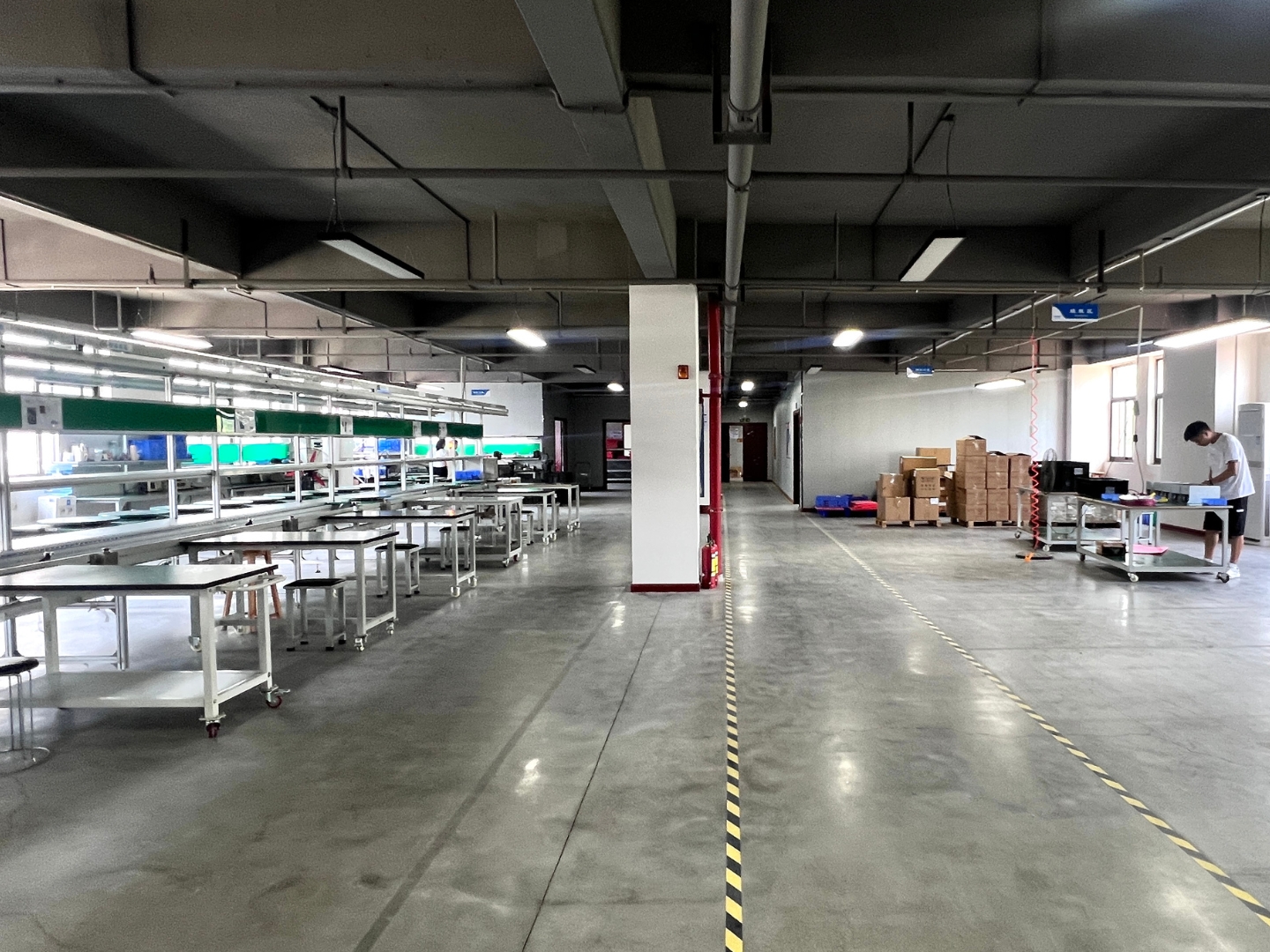
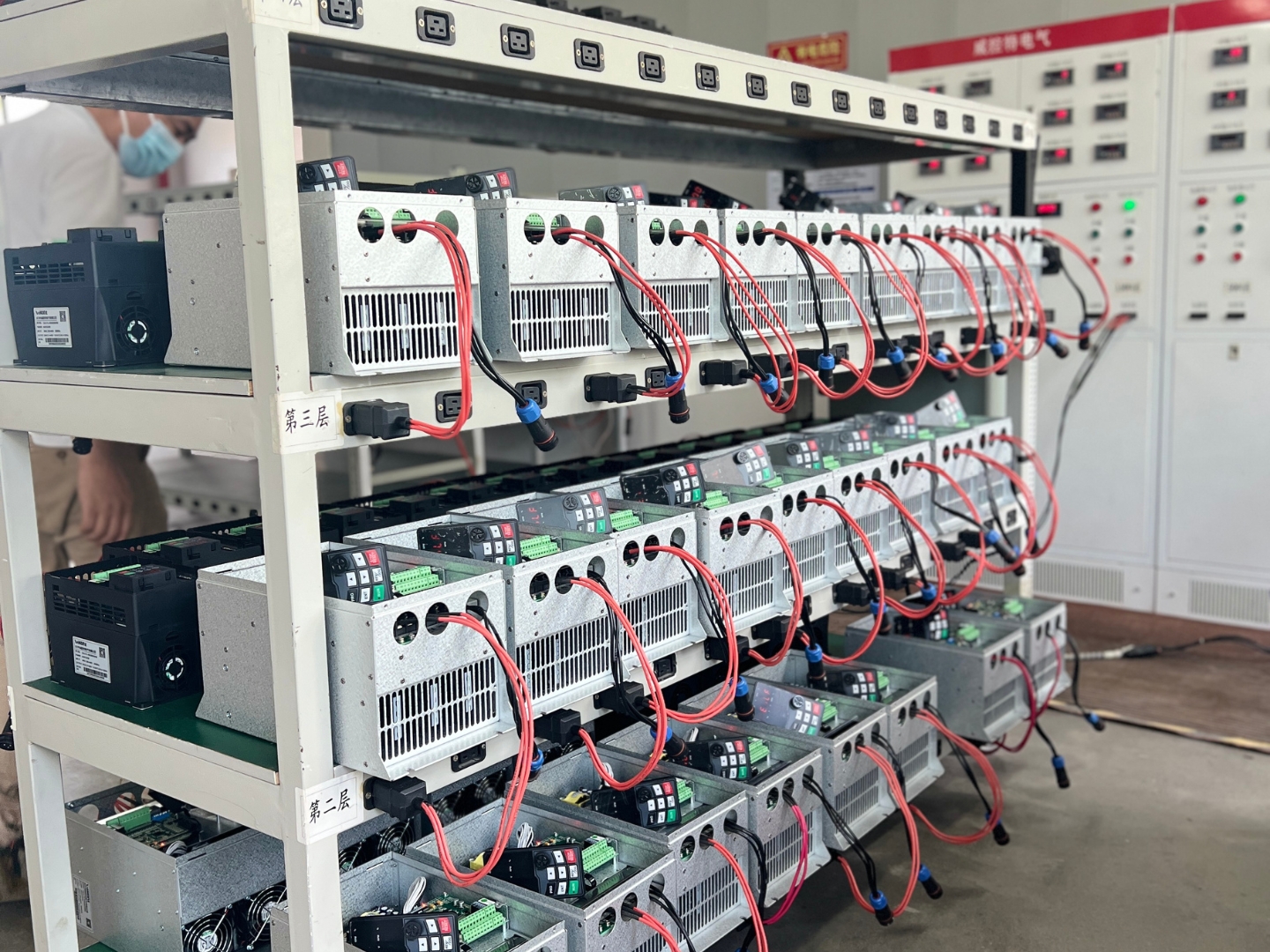
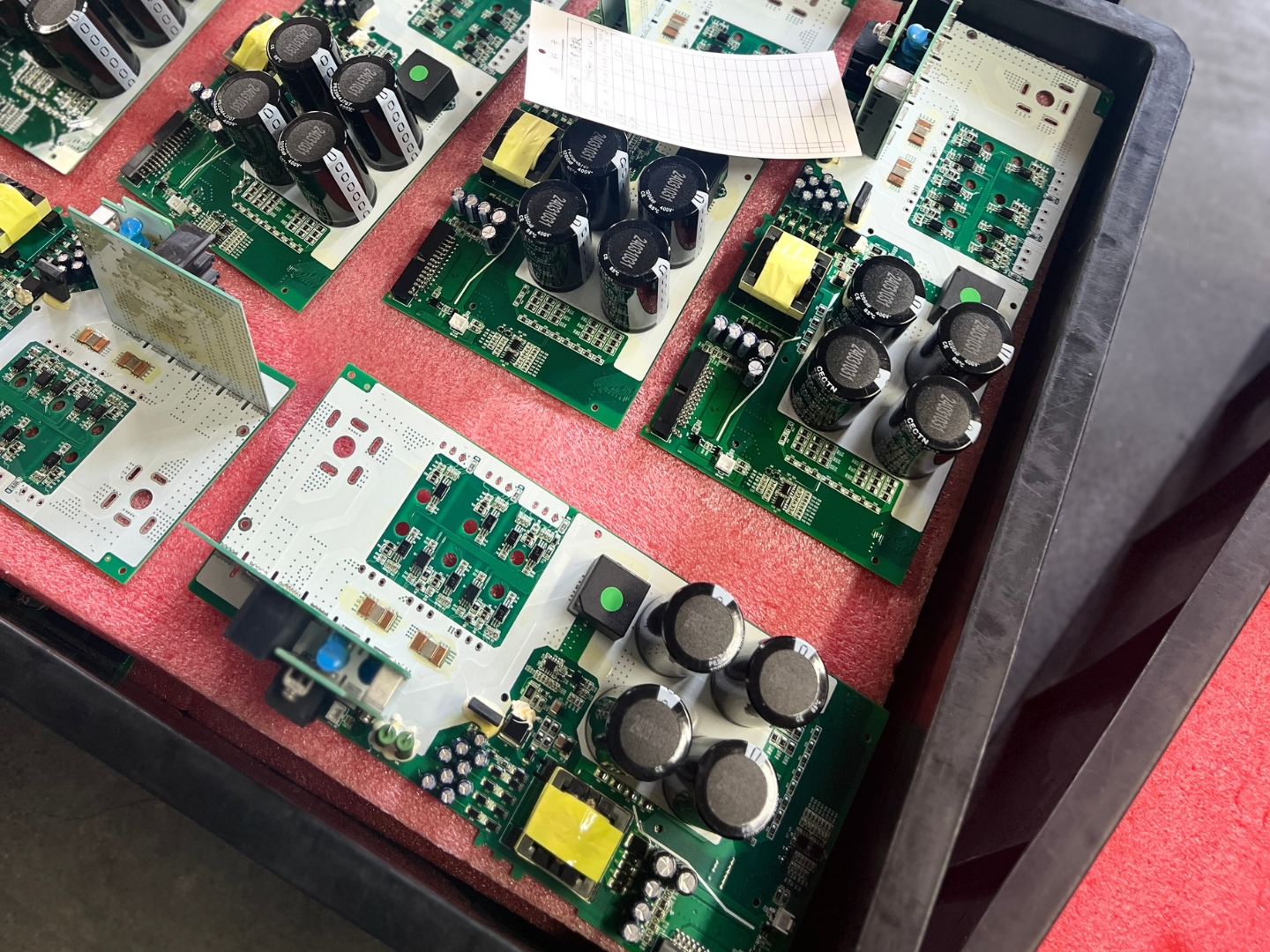
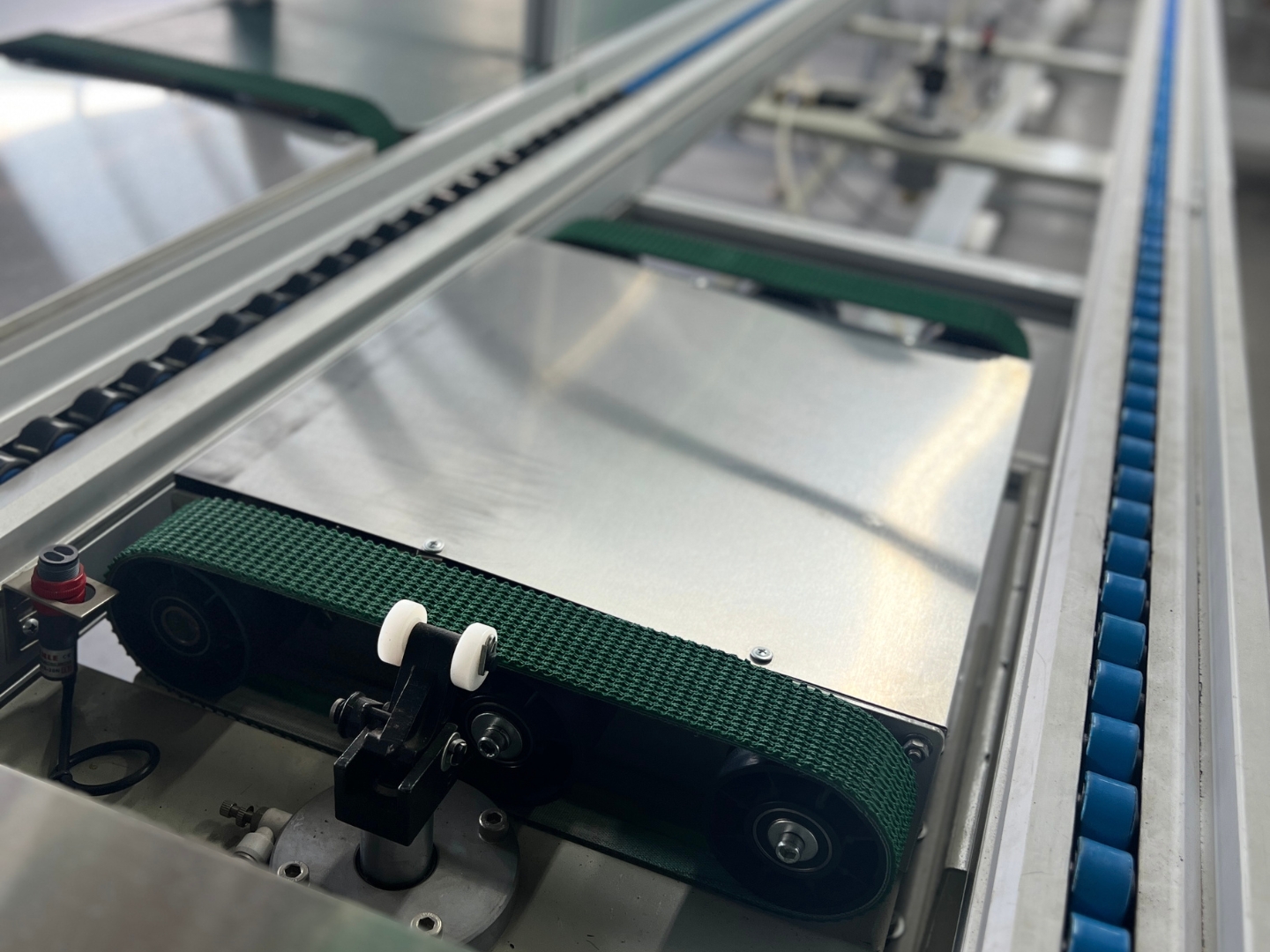
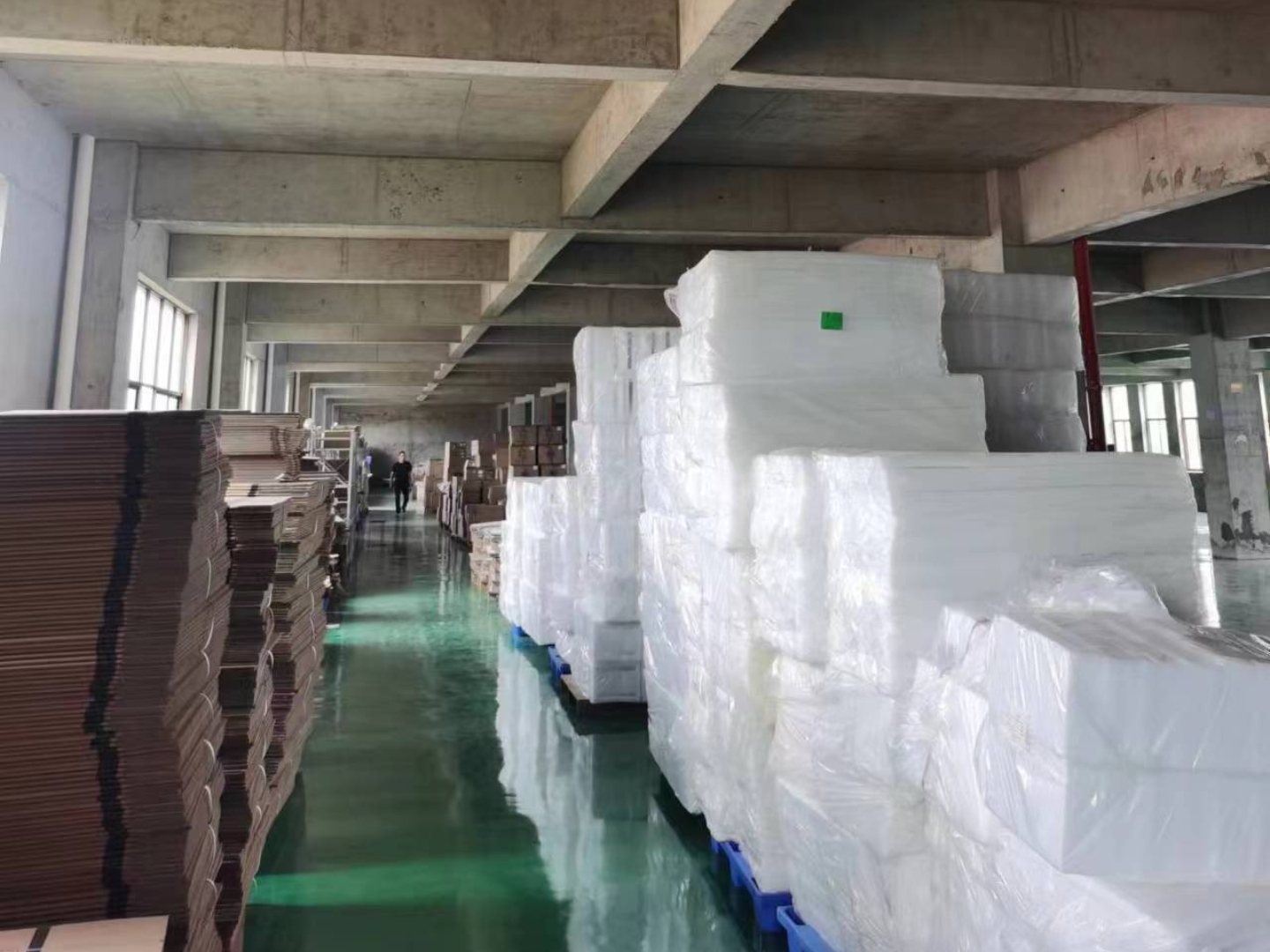
Production lines
In glass, ceramics, pharmaceutical, beverage, food, packaging and other production lines, the use of G630 has achieved good results.
Variable Frequency Drive (VFD) has a wide range of applications in modern industry, especially in glass, ceramics, pharmaceuticals, beverages, food and packaging and other assembly lines, through precise control of the motor's operating status, to improve productivity, product quality and system stability, while reducing energy consumption and maintenance costs. The following details the specific application principles and explanations of inverter in these areas:
1. glass assembly line
Principle and application:
In the glass production process, it involves a number of links such as melting, molding, annealing, cutting and transportation. Frequency converters are used to control all kinds of equipment in these links to realize precise speed and torque control.
Speed control: By adjusting the frequency of the motor, the inverter controls the speed of the conveyor belts, molding machines and cutting machines in the glass production line to ensure a continuous and stable production process.
Torque control: The frequency converter maintains constant torque output from the motor over the entire speed range, ensuring smooth operation of the equipment under different load conditions.
Improve production efficiency: Precise speed and torque control improves the efficiency of glass production and product quality.
Reduced mechanical shock: smooth starting and stopping process reduces the mechanical stress and wear of the equipment, prolonging the service life of the equipment.
Energy-saving effect: the frequency converter dynamically adjusts the running parameters of the motor according to the actual demand, which significantly reduces the energy consumption during partial load.
2. Ceramic assembly line
Principle and application:
Ceramic production includes a number of links such as batching, molding, drying, firing and processing. Inverters are used to control the motors in these segments to achieve precise speed and temperature control.
Speed control: By adjusting the frequency of the motor, the frequency converter controls the speed of the conveying and processing equipment in the ceramic production line to ensure the continuity and stability of production.
Temperature control: During the drying and firing process, the frequency converter regulates the speed and power of the fans and heating system to achieve precise temperature control.
Improved product quality: precise speed and temperature control ensures consistency and high quality of ceramic products.
Energy saving effect: Optimize equipment operating parameters to reduce energy consumption and improve energy efficiency.
Reduce equipment wear: Smooth start and stop process reduces mechanical stress and wear, prolonging the life of the equipment.
3. Pharmaceutical assembly line
Principle and application:
Pharmaceutical production includes a number of stages such as mixing, granulation, tableting, coating and packaging. Frequency converters are used to control the motors in these processes to achieve precise speed and torque control.
Speed and torque control: By adjusting the frequency and voltage of the motors, the inverter controls the operating status of mixers, granulators, tablet presses and coating equipment to ensure an efficient and stable production process.
Automatic adjustment: according to the production demand and process requirements, the frequency converter can dynamically adjust the operating parameters of the equipment to maintain the optimal state of the production line.
Improve production efficiency and quality: Precise speed and torque control improves the efficiency of pharmaceutical production and drug quality.
Reduce pollution: through optimizing the operation of the equipment, it reduces dust and noise pollution and improves the working environment.
Energy-saving effect: Reduce energy consumption, reduce operating costs, meet the requirements of high efficiency and environmental protection in the pharmaceutical industry.
4. Beverage assembly line
Principle and application:
Beverage production includes multiple links such as batching, mixing, filling, capping and packaging. Frequency converter is used to control the motors in these links to realize precise speed and torque control.
Speed control: By adjusting the frequency of the electric motor, the frequency converter controls the speed of the batching equipment, mixing machine, filling machine and conveying system to ensure the continuous and stable operation of the production line.
Torque Control: Maintains constant torque output from the motor throughout the speed range, ensuring smooth operation of the equipment under varying load conditions.
Improve production efficiency: Precise speed and torque control improves the efficiency of beverage production and product quality.
Reduced mechanical shock: Smooth starting and stopping process reduces the mechanical stress and wear of the equipment, prolonging the service life of the equipment.
Energy-saving effect: lower energy consumption under part-load conditions, reducing operating costs.
5. Food assembly line
Principle and application:
Food production includes ingredients, mixing, processing, baking and packaging and other links. Frequency converter is used to control the motors in these links to realize precise speed and temperature control.
Speed control: By adjusting the frequency of the motor, the inverter controls the speed of the batching equipment, mixer, baking equipment and conveying system to ensure the continuity and stability of the production process.
Temperature control: During the baking and cooling process, the frequency converter regulates the speed and power of the fans and heating system to achieve precise temperature control.
Improve product quality: precise speed and temperature control ensures consistency and high quality of food products.
Energy saving effect: Optimize equipment operating parameters to reduce energy consumption and improve energy efficiency.
Reduce equipment wear and tear: Smooth starting and stopping process reduces mechanical stress and wear and tear, prolonging the service life of the equipment.
6. Packaging assembly line
Principle and application:
Packaging production includes several stages such as forming, filling, sealing and labeling. Frequency inverters are used to control the motors in these segments to achieve precise speed and torque control.
Speed and torque control: By adjusting the frequency and voltage of the motors, the frequency converter controls the operating status of the forming machine, filling machine, sealing machine and labeling machine to ensure an efficient and stable packaging process.
Automatic adjustment: according to the production demand and process requirements, the frequency converter can dynamically adjust the operating parameters of the equipment to maintain the optimal state of the production line.
Improve production efficiency and quality: Precise speed and torque control improves the efficiency of packaging production and product quality.
Reduce mechanical shock: smooth start and stop process reduces the mechanical stress and wear of the equipment, prolonging the service life of the equipment.
Energy saving effect: Optimization of equipment operating parameters reduces energy consumption and improves energy use efficiency.
Comprehensive Advantages
Improvement of production efficiency: The frequency converter makes each assembly line run efficiently under various working conditions by optimizing the operating parameters of the equipment.
Energy saving and environmental protection: frequency conversion control significantly reduces the energy consumption of motors, reduces carbon emissions and improves energy utilization.
Reduced mechanical wear and tear: The smooth starting and stopping process reduces mechanical stress and wear and tear on the equipment, prolonging the service life of the equipment.
Precise control: the frequency converter can accurately adjust the running state of the equipment according to the actual demand, ensuring the stability and high efficiency of the production process.
Conclusion
Through the use of frequency converter, the equipment in various assembly lines (such as conveying system, processing equipment, packaging equipment, etc.) can realize precise control and efficient operation. The application of inverter technology not only improves the overall efficiency of the system, but also significantly reduces energy consumption, extends the service life of the equipment, and improves production efficiency and product quality. The importance of frequency converters in these applications cannot be ignored, providing efficient, energy-saving and reliable solutions for modern industrial production.